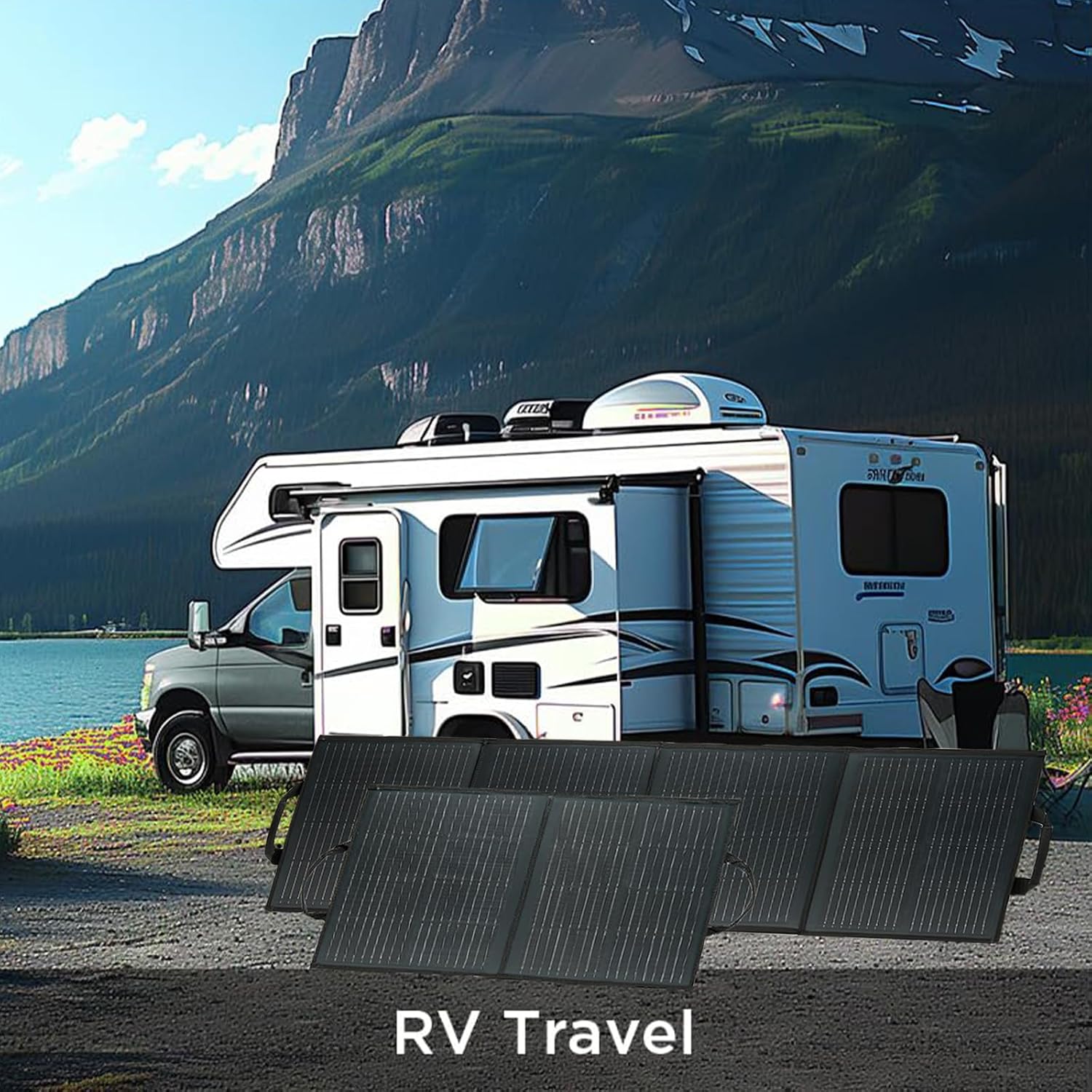
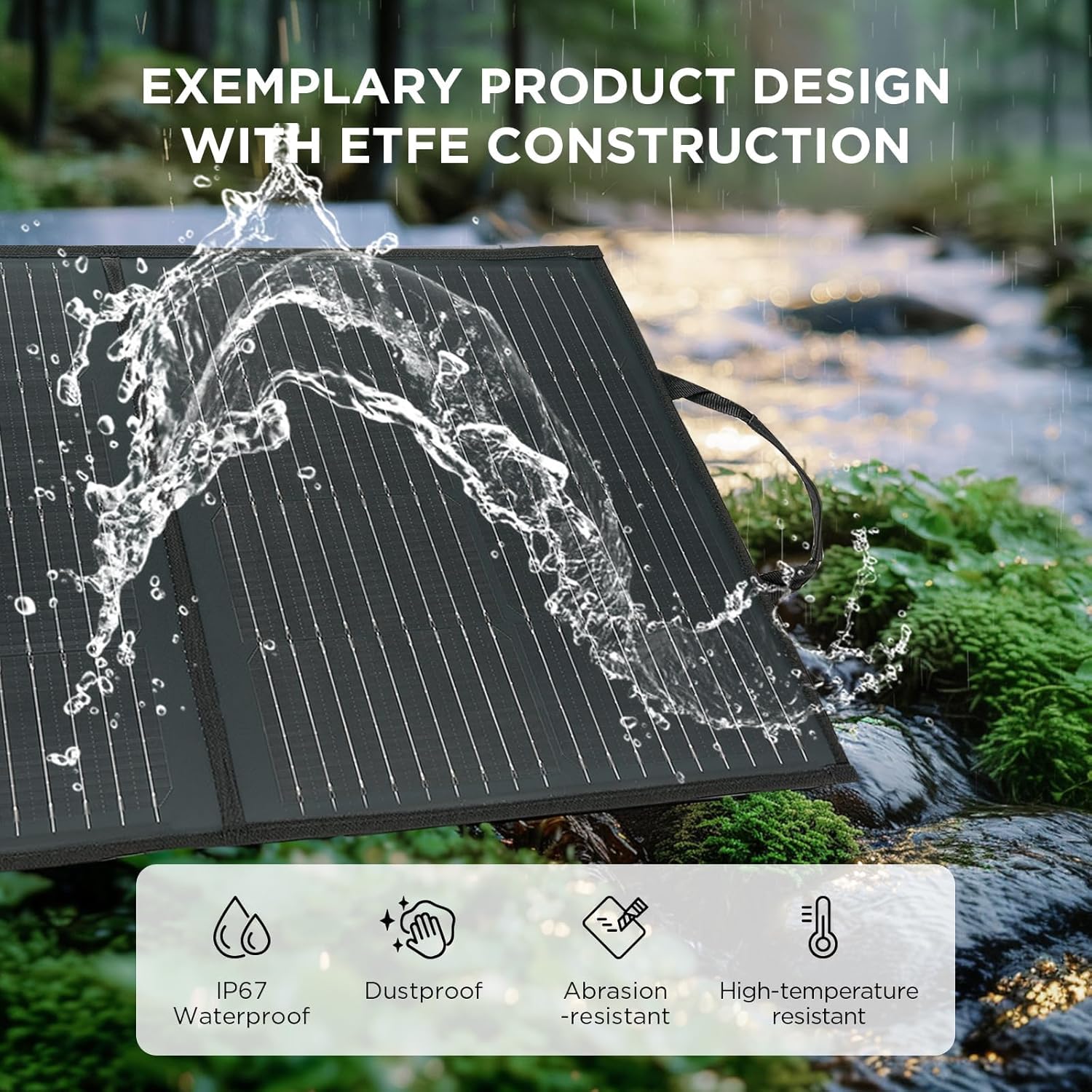
In most cases, it is normal for a solar panel not to deliver its full nominal power. Some of the reasons why this happens, as well as some suggestions for getting closer to the nominal power figure, are given below.
1. Light Intensity. The amount of light shining on the panel will result in fluctuations to the power output. You are more likely to achieve nominal power output figures closer to those obtained under test conditions when using the product on a clear day during the midday sun, than when using the product in the morning or later in the afternoon. Weather conditions will also affect the amount of sunlight that shines on the panel. For example, you are much less likely to achieve the figures for nominal power in hazy, cloudy or rainy conditions.
2. Surface Temperature. The temperature of the solar panel surface will also affect the amount of power generated. The lower the surface temperature of the panel, the more power will be produced. For example, solar panels generate more power when used during the winter than during the summer, and this is completely normal. Solar panels generally reach temperatures close to 60°C (140°F) during summer. This reduces nominal power by 13%, despite the higher levels of light shining on the panel.
3. Sunlight Angle. In optimal light conditions, the sun's rays should remain perpendicular to the surface of the panel for best performance. The difference of ± 10 degrees of 90 degrees of sunlight hitting the panels has little effect on the power.
4. Panel Shading. The surface of the solar panel should not be shaded during use. Shading caused by shadows, foreign objects and glass can all greatly reduce power output.
Performance Issues Caused by Malfunctioning Panels: If the panel still isn't generating power or its output remains far below expected nominal power figures after addressing the issues above, there may be an issue with the panel itself. Please contact Customer Support for assistance.